
"Central American coffee origins"
2000 article(s) found

El Salvador Coffee Flavor Origin Sibelia Manor
In Cuscacbapa, El Salvador, the beans are packed and ready for export. El Salvador's coffee is a Central American specialty, light, aromatic, pure and slightly acidic. Like Guatemala and Costa Rica, coffee in El Salvador is graded according to altitude, with the higher the altitude, the better the coffee. The best brand is Pipil.

Central American Coffee | Panamanian Aurora Manor Iron Man | Geisha Coffee | individual Coffee beans recommended
Professional coffee knowledge exchange more coffee bean information please follow the coffee workshop (Wechat official account cafe_style) front street coffee individual coffee bean recommendation-Panama Red Standard Rose Summer Panamanian Aurora Manor Iron Man tanning Geisha country: Panama Central American production area: Walken altitude: 1485-1700 m handling method: sun rating: SH
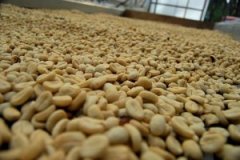
Panama Coffee-The Best Value for Money Central American Coffee
Panama Coffee Panama Coffee growing environment Panama is a small country located in the heart of the American continent. The waters of the Atlantic and Pacific oceans wash over its beaches. Panama is located at 9 degrees north latitude, at the confluence of the Central Mountain Range, where Mount Baru, one of the highest volcanoes in Central America, is located. Baru Volcano has an elevation of more than 11,400 feet and the surrounding land is rich.

A brief introduction to the Origin, Development, History and Culture of Fine Coffee beans in the Manor
Nepalese coffee cultivation and production has a unique environment, the spread of fertile volcanic ash soil, coupled with shade planting methods, to establish a good production quality, Nepalese coffee has a rich mellow and fragrant taste, moderate acidity and a good sense of balance of bitter taste, which is regarded as top grade in the eyes of international coffee experts. Because of the national character of the Latin American people, foreign buyers
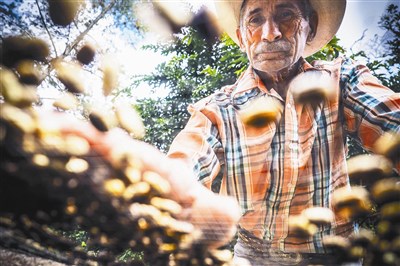
Comment on Nicaraguan Coffee Flavor Central American Coffee beans from Central America
Nicaraguan coffee Nicaragua coffee flavor characteristics: moderate acidity, fragrant and delicious. Nicaraguan coffee of high quality is in the forefront of coffee beans in the world and enjoys a good reputation. Its particles are moderate in size, mild in taste and very aromatic and mellow. Nicaragua is located in central Central America, bordered by the Pacific Ocean to the west and the Caribbean Sea to the east. The highlands in the north and the coastal plains in the east
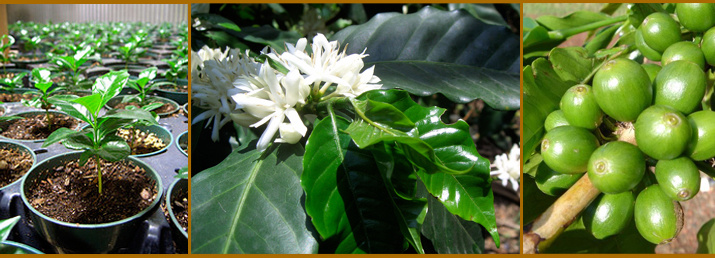
African coffee boutique manor South Africa's coffee trees are derived from Kenyan fruits like coffee from Central America.
South Africa is fragrant with less acidity, reminiscent of Central American coffee beans. Coffee production in South Africa (South Africa) is mainly in the northeast of the country, from Natal between Transvaal and Mozambique, extending northward to Transvaal, with a southernmost limit of latitude 30 south. Further south, it cannot be caused by early frost.

The best balance of El Salvador Everest fine coffee bean varieties planting market price profile
Salvadoran coffee is tied with Mexico and Guatemala as the producer of Asa and Meldo, and is competing with other countries for the top one or two places in Central America. Highland origin, for the size of large coffee beans, fragrant taste mild. As in Guatemala and Costa Rica, coffee in El Salvador is graded according to altitude, with the higher the altitude, the better the coffee.

History and Flavor Characteristics of Central American and Ethiopian Summer Coffee Beans
Rose summer is a variety familiar to many coffee lovers. Both Central America and Ethiopia are planted, but do you know the difference between the summer flowers in these two regions? As a type of Arabica coffee bean, unlike the widely cultivated coffee varieties such as iron pickup and bourbon, Rosa is a native variety, that is, a descendant of wild coffee. Sometimes it is written gesha, because

Nicaraguan Coffee Variety in Madaguelba Coffee producing area
For more information on coffee beans, please follow the Coffee Workshop (Wechat official account cafe_style) Central America is a land bridge connecting North and South America. There are seven countries, namely, Belize, Costa Rica, El Salvador, Guatemala, Honduras, Nicaragua and Panama. Coffee is produced in seven Central American countries, including Guatemala, Costa Rica and Acer.

A brief introduction to the overall soft flavor and aroma characteristics of El Qomolangma boutique coffee beans
Like Guatemala and Costa Rica, coffee in El Salvador is graded according to altitude. The higher the altitude, the better the coffee. It is divided into three grades according to elevation: SHB (strictly high grown) = highlands, HEC (high grown central) = mid-highlands, and CS (central standard) = lowlands; the best brand is Pipil, which is Az.

Introduction to the fragrant and authentic Salvadoran Coffee Manor
The national emblem of El Salvador was used on September 15, 1912. The national emblem is an equilateral triangle. The three yellow lines of the triangle represent equality, truth and justice. Five volcanoes rise between the Pacific Ocean and the Atlantic Ocean, symbolizing the five countries in Central America. The pole of freedom and the red cap of freedom stand high on the top of the mountain, radiating the light of freedom and liberation. Jin Guangzhong was on September 15, 1821.

A brief introduction to the origin, development, history and culture of Nicaraguan boutique coffee beans with mild taste
Nicaragua is located in central Central America, bordered by the Pacific Ocean to the west and the Caribbean Sea to the east. The highlands in the north and the coastal plains in the east are part of the Central American volcanic belt. The eastern plain is high-temperature and rainy, with a tropical maritime climate. The suitable climate provides an excellent growth environment for the cultivation of coffee. High-quality Nicaraguan coffee, grown in the north and middle of the country. Coffee is Ni.

Introduction of boutique coffee beans in El Salvador coffee flavor and taste producing area
The Salvadoran flag was launched in 1822, rescinded in 1865 and restored in 1912. The Constitution of the year of the Salvadoran Flag in 1972 was officially established as the national flag. The national flag is rectangular, with a ratio of length to width of 335 to 189. From top to bottom, the flag is connected by three parallel equal horizontal rectangles of blue, white and blue, and the central part of the white part is painted with the national emblem. Because El Salvador used to be

A brief introduction to the History and Culture of the Origin and Development of Fine Coffee beans in Los Congo Manor
Beautiful sour taste, moderate mellow Nicaraguan coffee belongs to the Central and South American style coffee, although the acidity is not very high, but it feels refreshing. The mellow degree is also not high, but the overall feeling is just right, neither thin nor too strong. To make it easier to accept. The taste of red wine can be vaguely felt in the shallow sour taste, which is also a major feature of Nicaraguan coffee.
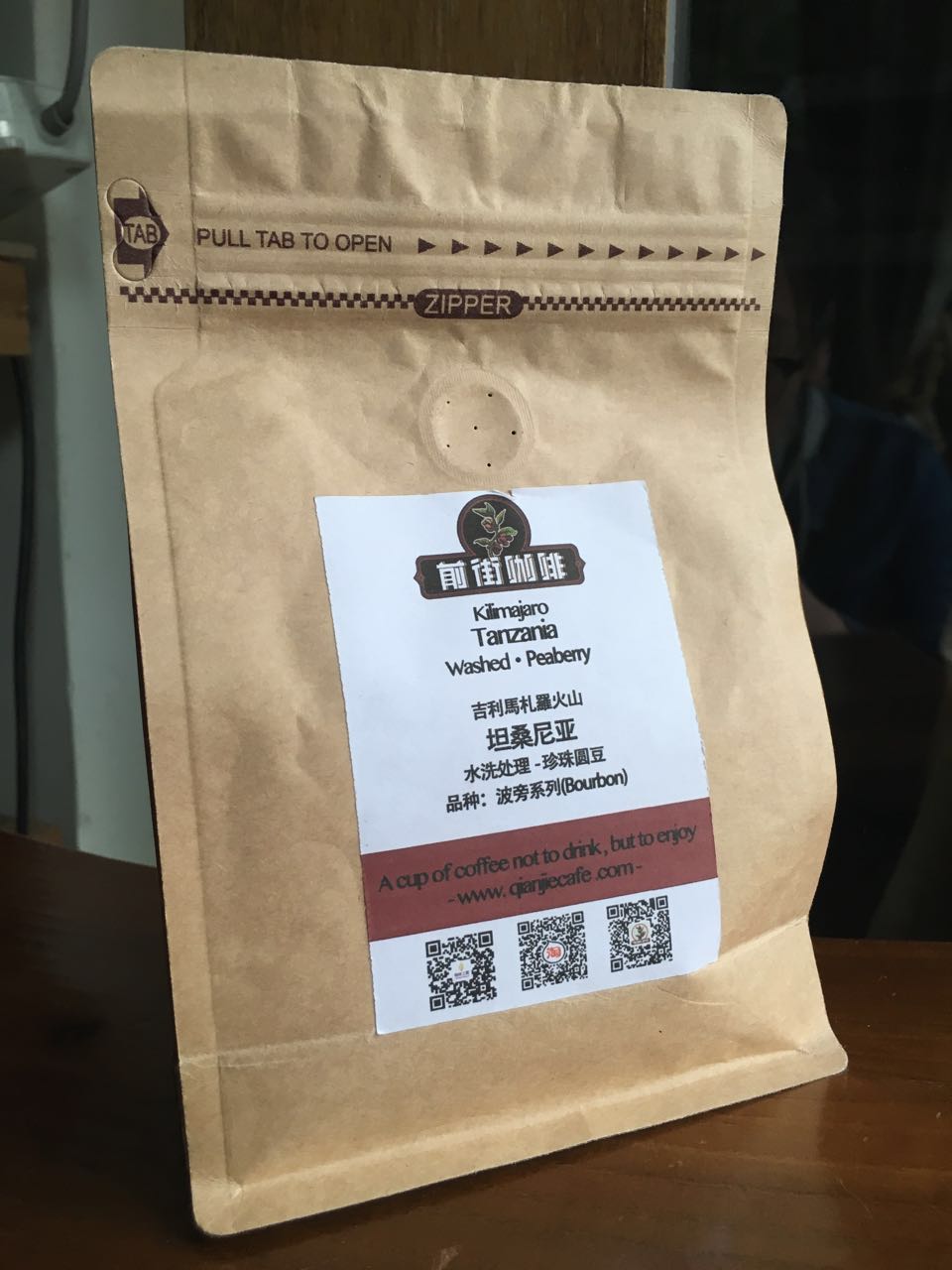
Description of Flavor characteristics of Costa Rican Coffee Bean producing area introduction to brewing method of Central American Coffee Bean
The particles are full, the acidity is ideal and the aroma is unique and strong. Tarrazu in Costa Rica is one of the major coffee producing areas in the world. The coffee produced is light and pure in flavor and pleasant in aroma. Costa Rica, with fertile volcanic soil and good drainage, is the first in Central America because of its commercial value.

A brief introduction to the History and Culture of the Origin and Development of Fine Coffee beans in the fragrant Manor of Nicaragua
Nicaragua is located in central Central America, bordered by the Pacific Ocean to the west and the Caribbean Sea to the east. The highlands in the north and the coastal plains in the east are part of the Central American volcanic belt. The eastern plain is high-temperature and rainy, with a tropical maritime climate. The suitable climate provides an excellent growth environment for the cultivation of coffee. High-quality Nicaraguan coffee, grown in the north and middle of the country. Coffee is Ni.
Coffee tasting | learn coffee from balanced American beans.
When it comes to boutique coffee, there are some vague definitions, such as variety, treatment and quality identification, but there are also some very clear definitions: only in the most favorable microclimate and soil and water can we grow boutique coffee with unique flavor. The last issue of coffee taste introduction, coffee taste introduction, drink high-quality products to distinguish the varieties! Flavor of Iron pickup and bourbon Coffee varieties

Aromatic Mercedes Estate Coffee Bean Origin History Culture Introduction
In El Salvador, Cusca Bappa produces the finest coffee beans, which are slightly lighter in weight, aromatic, pure and slightly acidic. Like Guatemala and Costa Rica, coffee in El Salvador is graded according to altitude, with the higher the altitude, the better the coffee. The best brand is Pip, whose quality has been recognized by the American Organic Certification Society. other

The origin of Costa Rican coffee beans boutique coffee
The particles are full, the acidity is ideal and the aroma is unique and strong. Tarrazu in Costa Rica is one of the major coffee producing areas in the world. The coffee produced is light and pure in flavor and pleasant in aroma. Costa Rica, with its fertile volcanic soil and good drainage, is the first country in Central America to grow coffee and bananas for commercial value. Coffee and bananas are the main food in the country.

Tarasu Latin American coffee Costa Rican coffee the mountains of central Costa Rica
Make a cup of Costa Rican coffee, pour it into the cup and taste it carefully, then you can appreciate its unique fragrance and rich flavor. The soft, moderate sour taste and rich aroma make the final rhyme reverberate in the throat for a long time, unforgettable. It has even been commented that some of the flavors of Costa Rican coffee are very similar to those of Kona and the Blue Mountains of Jamaica. Costa Rica's coffee industry was originally made up of